
A Landscape and Ecological Management Plan (LEMP) is not simply a planning condition – it is a long-term commitment to creating, enhancing and managing habitats so they deliver measurable, lasting benefits for biodiversity.
At Habitat Regeneration, we specialise in the practical delivery of LEMPs, turning approved plans into functioning, resilient habitats on the ground. From initial habitat creation through to decades of ongoing management, we help clients meet their ecological and planning obligations with confidence.
We have directly assisted with the delivery and long-term management of large-scale Landscape and Ecological Management Plans for significant renewable energy and infrastructure projects across the UK. This experience ensures we understand both the strategic intent of a LEMP and the practical realities of implementing and managing complex schemes at scale.
What is a LEMP?
A Landscape and Ecological Management Plan (LEMP) sets out how the landscape and ecological features associated with a development will be created, enhanced, managed and monitored over the long term – typically over 5, 10, 25 or even 30 years.
LEMPs are commonly required as part of UK planning approvals and are central to demonstrating compliance with biodiversity policy, including Biodiversity Net Gain (BNG).
They establish clear, SMART objectives (Specific, Measurable, Achievable, Relevant and Time-bound) to ensure habitats are delivered effectively and maintained well beyond the construction phase.
Who Creates a LEMP?
A LEMP is typically prepared during the planning and design stages of a development and shaped through collaboration between multiple stakeholders, including:
- Developers seeking to meet planning and biodiversity requirements
- Ecological consultants who assess sites and define habitat objectives
- Local planning authorities, who condition, review and approve the LEMP
- Environmental and planning consultancies supporting scheme design and compliance
Each party plays a vital role in ensuring the LEMP is robust, policy-compliant and deliverable over the long term.
What does a LEMP Typically Include?
Every LEMP is site-specific, but most include the following core components:
Habitat Creation and Enhancement
The foundation of any LEMP, which may include:
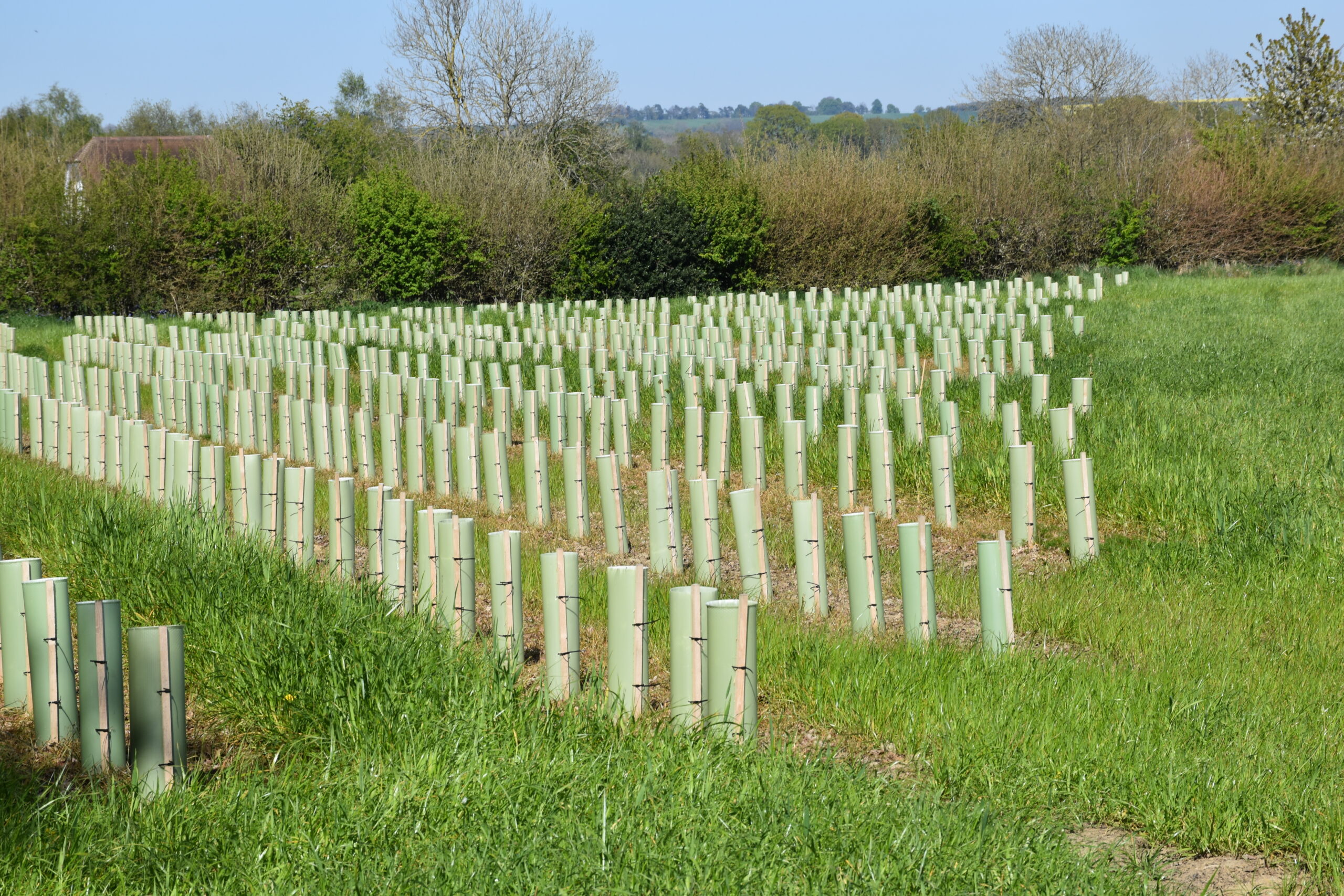
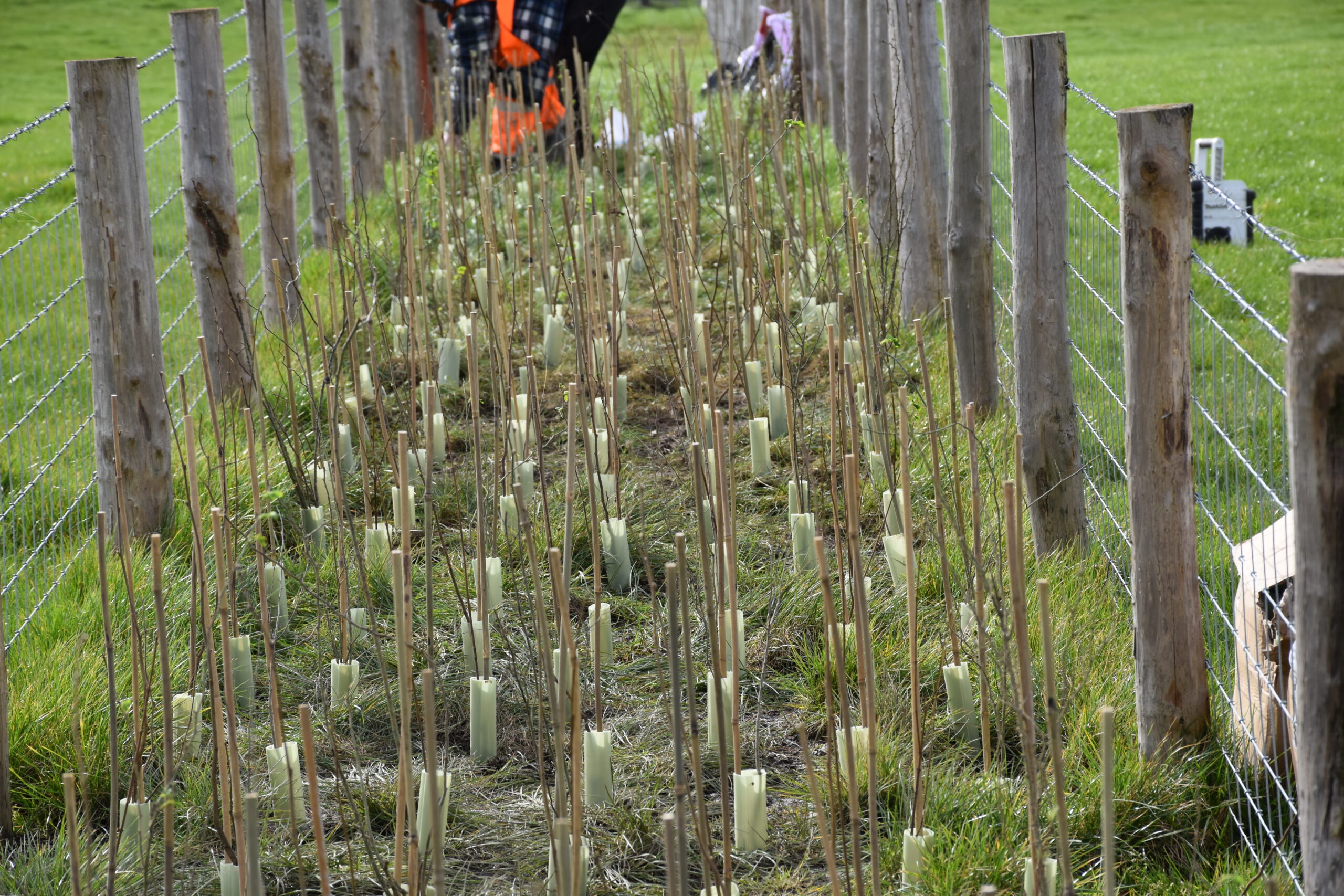
- Native tree, shrub and hedgerow planting
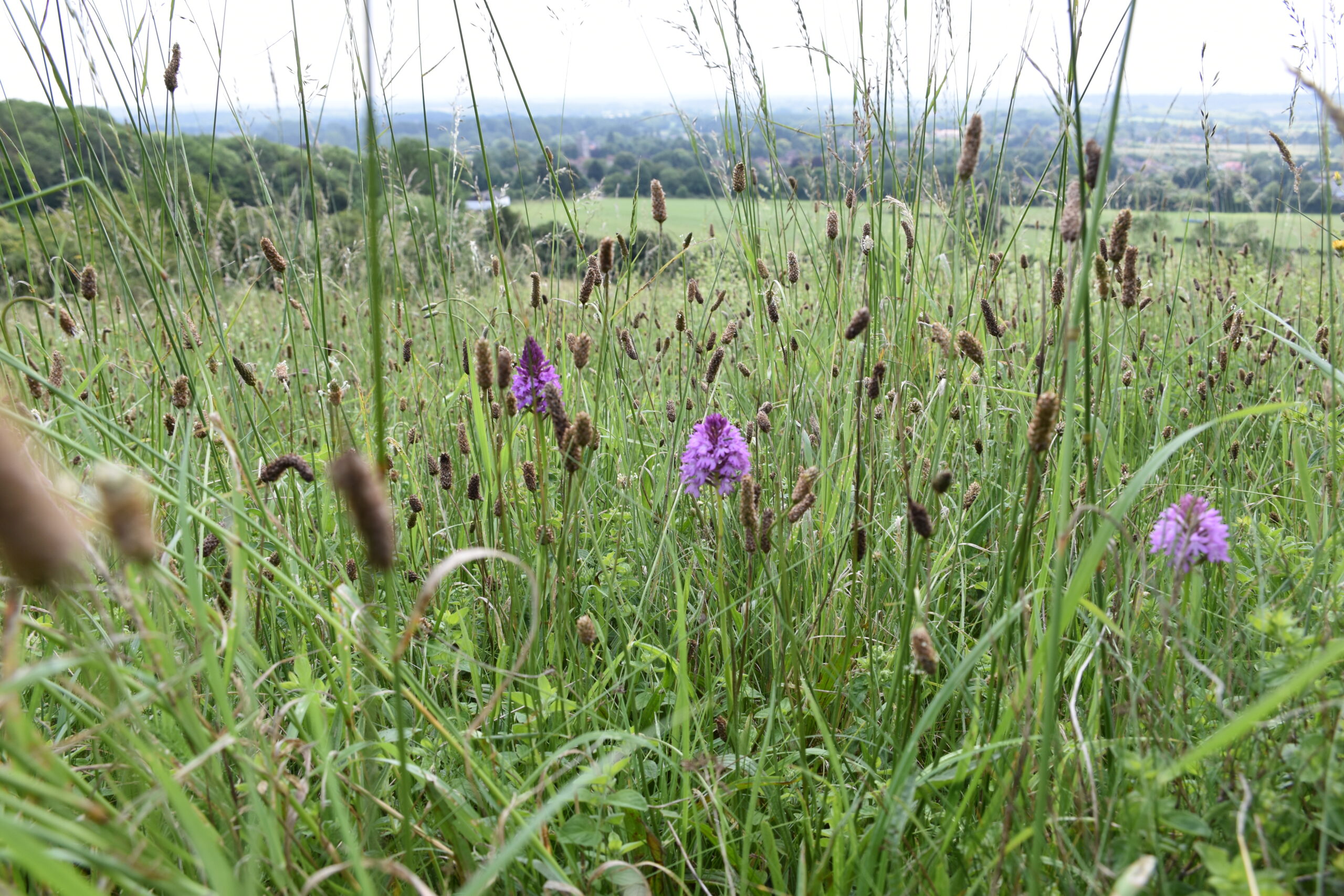
- Wildflower meadow and species-rich grassland establishment
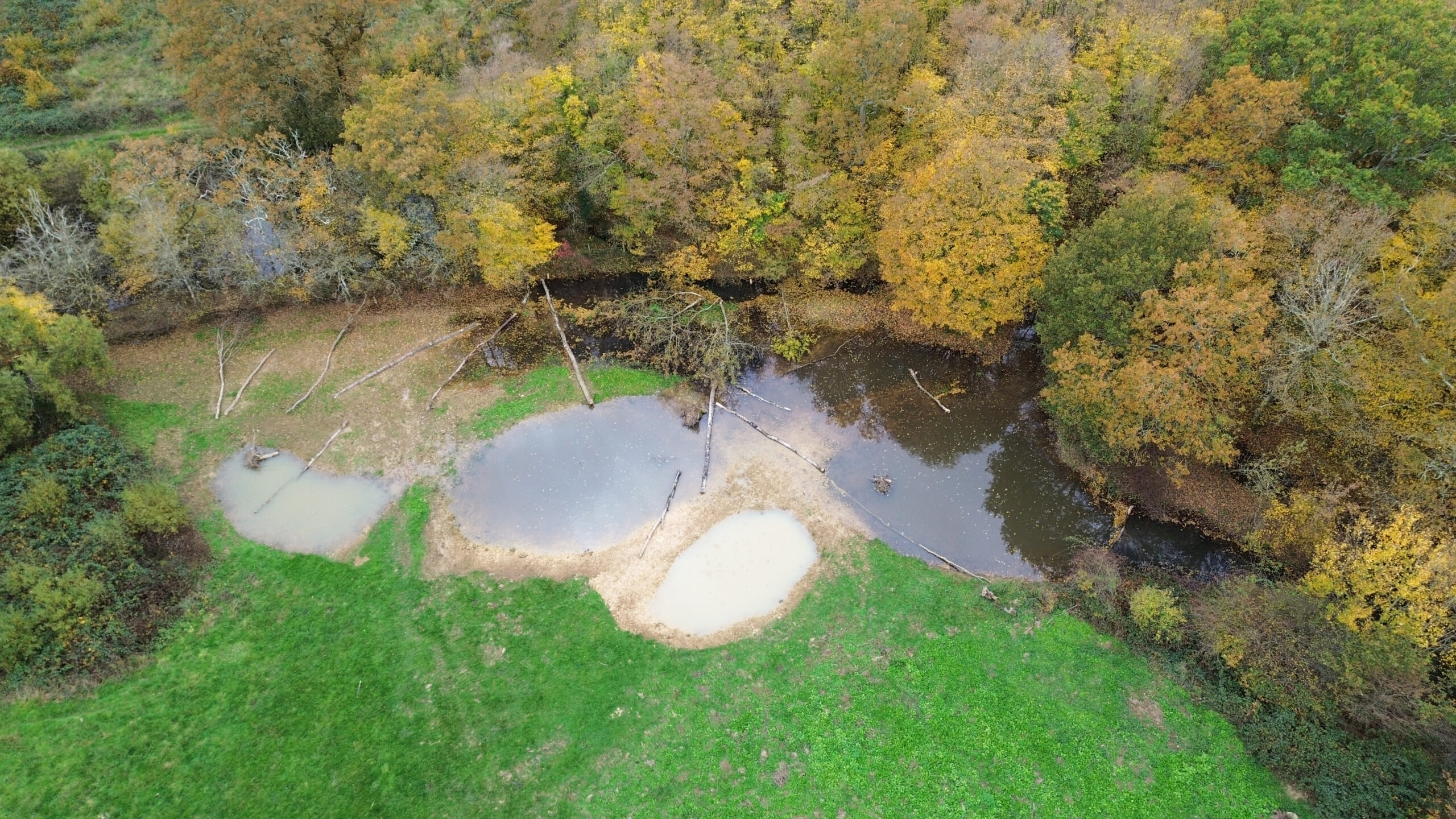
- Pond, scrape and wetland creation
- Enhancement of woodland edges and existing habitat features
These habitats are commonly designed to support priority species such as bats, birds, reptiles, amphibians and invertebrates.
Invasive Species Management
LEMPs frequently include measures to control or remove invasive non-native species, allowing native habitats the space and conditions they need to establish and thrive.
Long-Term Management and Monitoring
A defining feature of a LEMP is its long-term horizon. Management prescriptions often extend over several decades and may include:
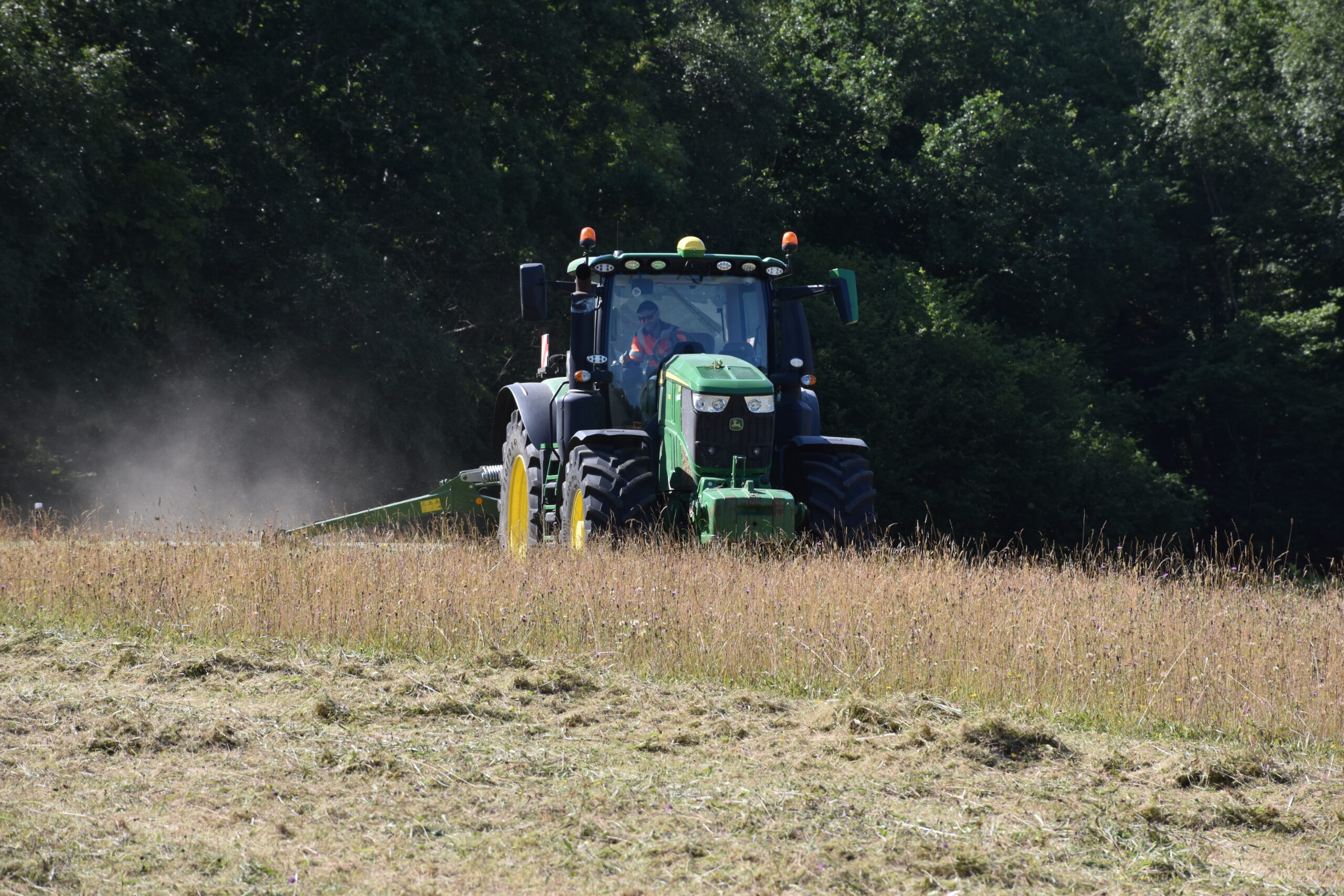
- Grassland cutting and grazing regimes
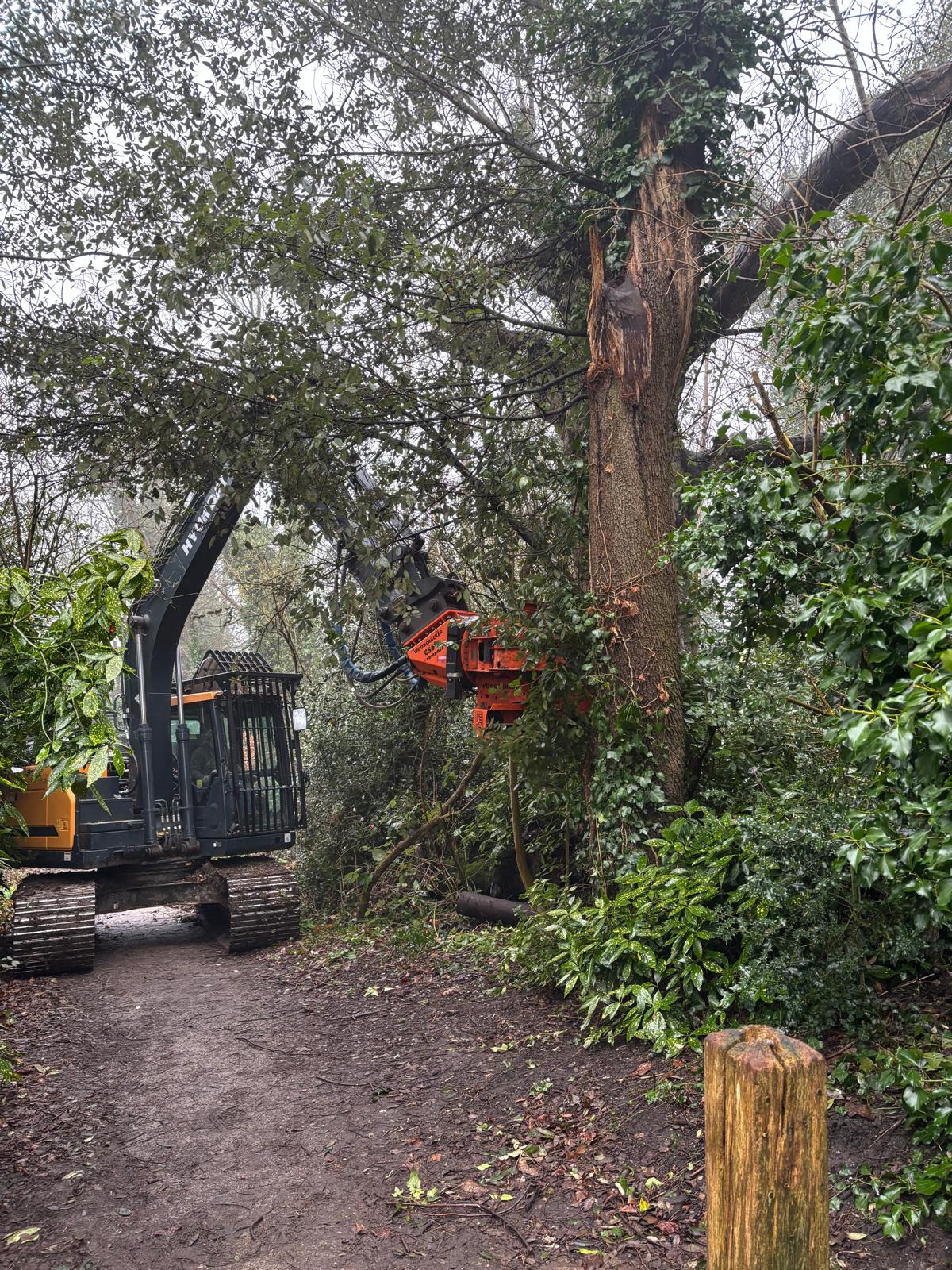
- Woodland thinning, pruning and coppicing
- Regular habitat inspections and ecological monitoring
- Adaptive management where targets are not being met

Biodiversity Net Gain (BNG) Delivery
In line with UK legislation, LEMPs play a critical role in demonstrating how a development will achieve a minimum 10% biodiversity uplift, and how that gain will be secured, monitored and managed for the long term.
Habitat Connectivity
Well-designed LEMPs focus on linking habitats together – creating wildlife corridors and connections to wider green infrastructure to reduce fragmentation and improve ecological resilience.
——————————————————————————————————————————–
How Habitat Regeneration Delivers Your LEMP
A LEMP is only as effective as its delivery.
Habitat Regeneration provides hands-on implementation and long-term management to ensure approved Landscape and Ecological Management Plans are delivered accurately, safely and in full accordance with planning conditions.
We work in partnership with developers, landowners, ecologists, consultants and local authorities to deliver:
- Habitat creation works implemented exactly as specified in the approved LEMP
- Specialist planting and habitat establishment using experienced operators and appropriate machinery
- Long-term ecological and landscape management aligned with approved schedules and prescriptions
- Practical monitoring support to assist with demonstrating compliance and ecological success
Our role is operational and delivery-focused — ensuring habitats are not just created, but continue to function, mature and improve year after year.
Trusted, Practical Deliver
We understand the pressures associated with planning conditions, BNG delivery and long-term ecological commitments. Our approach is proactive, transparent and grounded in real-world land management experience, helping clients de-risk LEMP delivery and safeguard planning compliance on complex, large-scale schemes.
That is where Habitat Regeneration adds value.
Looking for Support with LEMP Delivery?
If you have an approved LEMP – or one currently in development – and need a trusted partner to deliver and manage it, we can help.
From habitat creation to long-term ecological management, Habitat Regeneration turns LEMPs into living, working landscapes that deliver lasting benefits for nature and meet planning requirements with confidence.
Get in touch to discuss your LEMP delivery needs and see how we can support your project.