Supporting Nightingales Across the Upper Beult: Strengthening One of Kent’s Important Breeding Landscapes
The Upper Beult landscape in the Kent Weald remains one of the most important strongholds for breeding nightingales in Kent. Long-established territories within sites such as Orlestone Wood, Moat Farm and Deering Wood have supported populations of this iconic yet threatened species for many years, providing a vital cornerstone for the wider landscape.
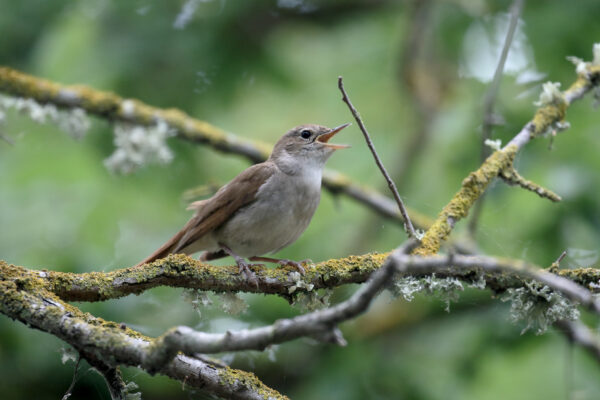
The unmistakable song of the nightingale continues to echo across these woodlands each spring. Rather than restoring a species that had disappeared, the ambition of the Upper Beult Farmer Cluster is to strengthen these existing populations by improving habitat quality, restoring natural processes and creating opportunities for nightingales to expand naturally into surrounding areas of suitable habitat.
Coverage by the BBC in 2024 www.bbc.co.uk/news/articles/cyj3xwnwvzvo highlighted the project efforts to improve habitats for nightingales within the Upper Beult Farmer Cluster, championing the outcomes that can be achieved when farmers, conservation organisations and practical delivery teams work together towards a shared environmental goal.
__________________________________________________________________________________________________________
At the heart of this success is collaboration.
The Upper Beult Farmer Cluster brings together local landowners and partners committed to enhancing biodiversity across the River Beult catchment. Working alongside organisations including Kent Wildlife Trust, South East Rivers Trust and Southern Water, the project is helping to restore habitats and improve ecological resilience throughout this important landscape.
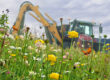
Habitat Regeneration is proud to support this work through the practical implementation of many of the habitat enhancement projects delivered on the ground. From specialist woodland management to hedgerow restoration, wetland creation and riparian habitat enhancement, our experienced teams help turn ecological ambitions into lasting environmental outcomes.
The project also holds a strong connection to Habitat Regeneration through Will Fraser, Chairman of the Upper Beult Farmer Cluster, who provides strategic leadership for the partnership while also serving as a Director of Habitat Regeneration. This shared involvement helps strengthen the collaborative, landscape-scale approach being adopted across the catchment, bringing together landowners, conservation organisations and practical delivery teams to achieve lasting environmental outcomes.
__________________________________________________________________________________________________________
For the nightingale, suitable habitat is everything.
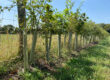
Nightingales favour dense woodland edges, managed woodland, areas of regenerating scrub and thick, structurally diverse hedgerows that provide shelter, nesting opportunities and protection from predators. Across the Upper Beult landscape, landowners are actively managing and restoring these habitats while reconnecting them through an extensive network of riparian corridors and wetlands. The result is a richer, more resilient habitat mosaic that benefits not only nightingales, but a wide range of farmland and woodland wildlife.
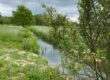
A defining feature of the Upper Beult landscape is water. Healthy rivers, streams, floodplain wetlands and wet woodland habitats form the ecological backbone of the catchment, linking habitats that would otherwise become fragmented. Through wetland creation, riparian restoration and the rewetting of the landscape, the project is restoring natural hydrological processes while creating the damp, structurally diverse habitats that support exceptional biodiversity. These connected river corridors enable wildlife to move freely through the landscape, increasing ecological resilience and creating the conditions for species to respond to habitat fragmentation and a changing climate.
Within the woodland itself, specialist tree management has been undertaken to create the varied structure that nightingales depend upon. By selectively managing the canopy and encouraging regeneration at lower levels, conditions have been created for a thriving understorey and diverse ground flora, providing the dense cover required for nesting and successful breeding.
Equally important is the abundance of food that these wetter, more connected landscapes provide. Nightingales feed predominantly on ground-dwelling and low vegetation invertebrates, including beetles, spiders, caterpillars, ants, flies and other insects, with chicks relying almost entirely on this rich supply of protein during the breeding season. Wetlands, damp woodland edges and riparian habitats are naturally highly productive, supporting significantly greater numbers and diversity of invertebrates than drier landscapes. By restoring water to the landscape and improving habitat quality across the catchment, the project is increasing food availability at the very time breeding birds need it most, helping to improve breeding success and support healthier, more resilient populations.
__________________________________________________________________________________________________________
Connectivity
Connectivity is equally fundamental to the long-term future of the species. Nightingales are social breeders, with males establishing territories within earshot of one another, using their renowned song to attract mates and maintain neighbouring territories. As populations grow, young birds are far more likely to establish territories close to existing breeding birds before gradually expanding into adjacent suitable habitat.
The River Beult’s riparian corridor provides a continuous ecological backbone through the catchment, linking woodlands, scrub, hedgerows, wetlands and floodplain habitats. By strengthening these connections, the project is enabling established populations centred around areas such as Orlestone Wood, Moat Farm and Deerings Wood to flourish, increase in density and naturally extend their range into surrounding landscapes.
__________________________________________________________________________________________________________
The continued presence of breeding nightingales within both woodland and hedgerow habitats across the Upper Beult landscape demonstrates the enduring value of these habitats. The ongoing programme of habitat restoration is helping to bolster these existing populations by improving habitat quality, increasing food availability and creating the connectivity needed for territories and populations to expand over time.
Projects such as this demonstrate the value of taking a truly landscape-scale, catchment-wide approach to conservation. By working across farm boundaries and combining local knowledge with ecological expertise and practical delivery, it is possible to create bigger, better and more connected habitats that support long-term wildlife recovery. The restoration of functioning riparian corridors and wetlands not only benefits nightingales, but also improves water quality, strengthens ecological resilience and supports countless other species that depend upon healthy river systems.
For Habitat Regeneration, this project reflects exactly what we strive to achieve through our work: delivering practical environmental solutions that create measurable ecological benefits through collaborative, landscape-scale restoration.
Through continued partnership across the River Beult catchment, there is every reason to believe that the Upper Beult will remain one of Kent’s most important landscapes for breeding nightingales. By strengthening existing populations, restoring natural processes and improving habitat connectivity, the work being undertaken today will help ensure that the nightingale’s unmistakable song continues to resonate across the Kent Weald for generations to come.
__________________________________________________________________________________________________________
👉 If you’re considering a nature recovery or restoration project, speak to Habitat Regeneration. Our experienced team can help support project delivery and ensure your scheme is implemented safely, efficiently and to the highest environmental standards.
📞 01233 821233 📧 enquiries@habitatregeneration.co.uk 🌿 www.habitatregeneration.co.uk