BN11 Hedge Planting Grant – Creating Stronger Boundaries for Nature and Farming
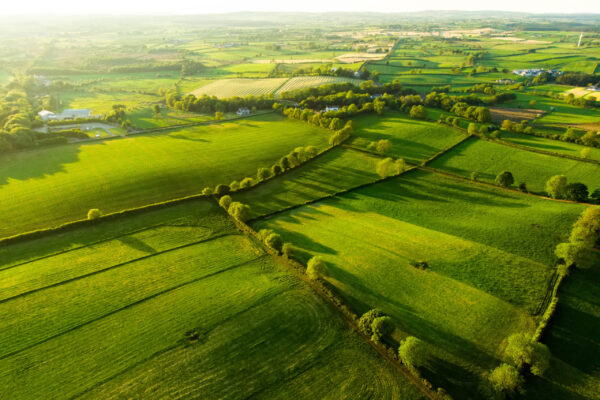
Hedgerows are one of the most valuable features in the British landscape. They shape our countryside, support wildlife, protect soils and help farms become more resilient to changing environmental conditions.
Through the BN11 hedge planting option within the Countryside Stewardship scheme, landowners and farmers now have an excellent opportunity to establish new hedgerows while receiving financial support to do so.
At Habitat Regeneration, we help turn that opportunity into a successful project on the ground – delivering professional hedge planting once your funding has been secured, and ensuring the work meets the scheme’s requirements while creating lasting ecological value.
__________________________________________________________________________________________________________
What is the BN11 Hedge Planting Grant?
The BN11 option is part of the UK Government’s Countryside Stewardship scheme, designed to encourage the creation of new hedgerows across farmland and rural landscapes.
The grant provides a payment to support the planting of native hedges that improve biodiversity, strengthen field boundaries and reconnect fragmented habitats.
Key funding details include:
- Payment rate: £22.97 per metre of newly planted hedgerow (correct at time of publishing Mar 26)
- Planting window: November to March
- Planting method: Native species planted as two-year-old transplants
- Plant density: Minimum 6 plants per metre
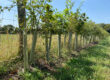
- Layout: Staggered double rows for strong hedge establishment
By supporting high-quality planting and early establishment, the BN11 scheme ensures new hedgerows develop into durable and wildlife-rich landscape features.
For full details on the scheme, visit the official guidance on the government website.
__________________________________________________________________________________________________________
Key Requirements for BN11 Hedge Planting
Like all Countryside Stewardship options, BN11 has several requirements that must be followed to ensure the hedge establishes successfully and delivers environmental benefits.
Ground Preparation
Successful hedge planting begins long before the plants arrive.
Ground preparation should include:
- Preparing soil conditions to support root establishment
- Applying herbicide in August or September prior to planting to reduce weed competition
Planting Specification
To qualify for the scheme, hedges must be planted using native species suited to the local area, helping create habitats that integrate naturally into the surrounding landscape.
Planting must follow these guidelines:
- Staggered double rows
- Minimum of six plants per metre
- Two-year-old native transplants
Protection and Maintenance
New hedgerows require careful management during the first few years to ensure successful establishment.
This includes:
- Weed control and maintenance for the first two years
- Fencing positioned at least 1.2 metres from the centre of the hedge to protect it from livestock
- Maintaining detailed records, maps and photographs as evidence for the scheme
These steps ensure the hedge becomes a long-term asset rather than a short-term planting exercise.
__________________________________________________________________________________________________________
Why Hedgerows Matter
Beyond funding support, planting hedges delivers a wide range of environmental and farming benefits.
Supporting Wildlife
Hedgerows provide essential habitat for birds, insects and small mammals. Flowering species offer nectar for pollinators, while dense structures provide shelter and nesting sites.
Connecting Habitats
New hedges can act as wildlife corridors, linking woodlands, meadows and wetlands so species can move through the landscape more easily.
Improving Soil and Water Management
Hedgerows slow wind and surface runoff, helping to:
- Reduce soil erosion
- Improve water infiltration
- Protect valuable topsoil
Supporting Productive Farming
Hedges also provide shelter for livestock and crops, improving animal welfare and reducing exposure to harsh weather conditions.
__________________________________________________________________________________________________________
Delivering BN11 Hedge Planting with Habitat Regeneration
Securing grant funding is just the first step. Successful hedge planting requires careful planning, quality planting stock and experienced delivery on the ground.
At Habitat Regeneration, we specialise in turning ecological plans into practical results.
Plan Early. Deliver Right.
The BN11 option forms part of the Countryside Stewardship scheme UK, with applications opening in February and close by mid to late summer. Successful agreements typically begin January, with planting carried out between November and March.
The most successful projects are planned well in advance.
Ground preparation, species selection, mapping and contractor availability all need to be aligned before planting season begins. As demand for hedge planting continues to grow, delivery slots fill up quickly.
By starting early, you give your project the best chance of:
- Securing funding smoothly
- Meeting scheme requirements with confidence
- Delivering high-quality, long-lasting hedgerows
At Habitat Regeneration, we work with you from planning through to delivery and ongoing management – ensuring your BN11 hedge planting is not only compliant, but built to thrive.
👉 Thinking about applying for BN11? Now is the time to start planning.
Get in touch to discuss your project and secure your place ahead of the planting season 🌿